
 CanadaCAD
 United StatesUSD
 United KingdomGBP
 AustraliaAUD
 EuropeEUR
 Global—
Greener by design, not by sacrifice
Every fit-out is an environmental decision. A Bureau booth gives you the room you need without the concrete, the demolition or the skip.
of global emissions
come from building and construction, the largest single source (UNEP).
from concrete alone
Concrete production accounts for roughly 8% of global carbon emissions.
of natural resources
are consumed by construction worldwide.
of Australia's waste
is construction waste, around 27 million tonnes a year.
The footprint of internal construction
In a world where sustainability is paramount, every decision about constructing and outfitting a space carries environmental weight. From businesses revamping office layouts to individuals redesigning their homes, the choices made today shape the world of tomorrow.
Internal construction, while essential for creating functional spaces, comes with a hefty environmental cost. The materials typically used, concrete, steel and composite panels, all carry high embodied energy and carbon.
And the impact does not stop at construction. When a space is refitted, existing structures are torn down and the materials rarely get recycled or repurposed. They end up in landfill. Every renovation cycle adds landfill waste and carbon emissions.
What makes a booth the greener choice
Four design decisions that cut energy, weight and waste over the life of every Bureau booth.
Motion-sensor lighting and ventilation
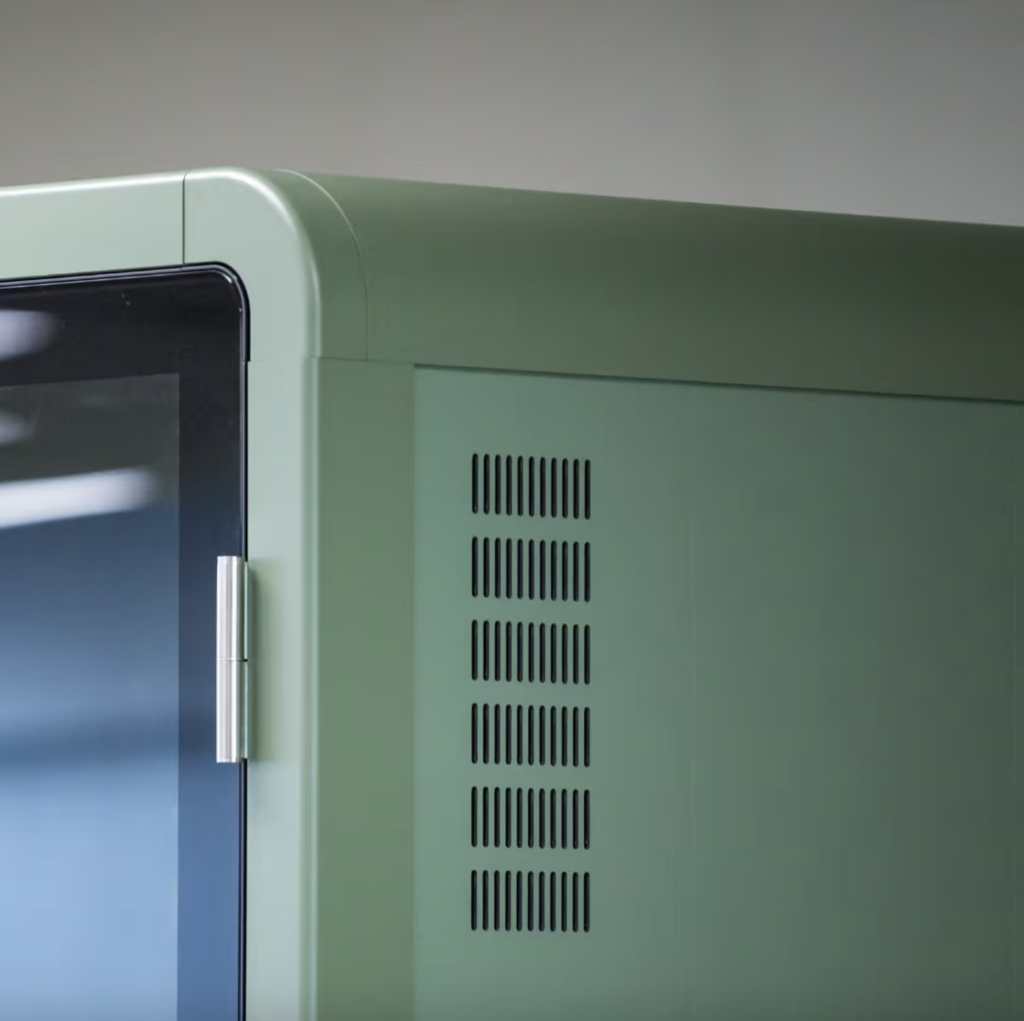
Lights and fans switch off when nobody is inside, so a booth only draws power while it is being used.
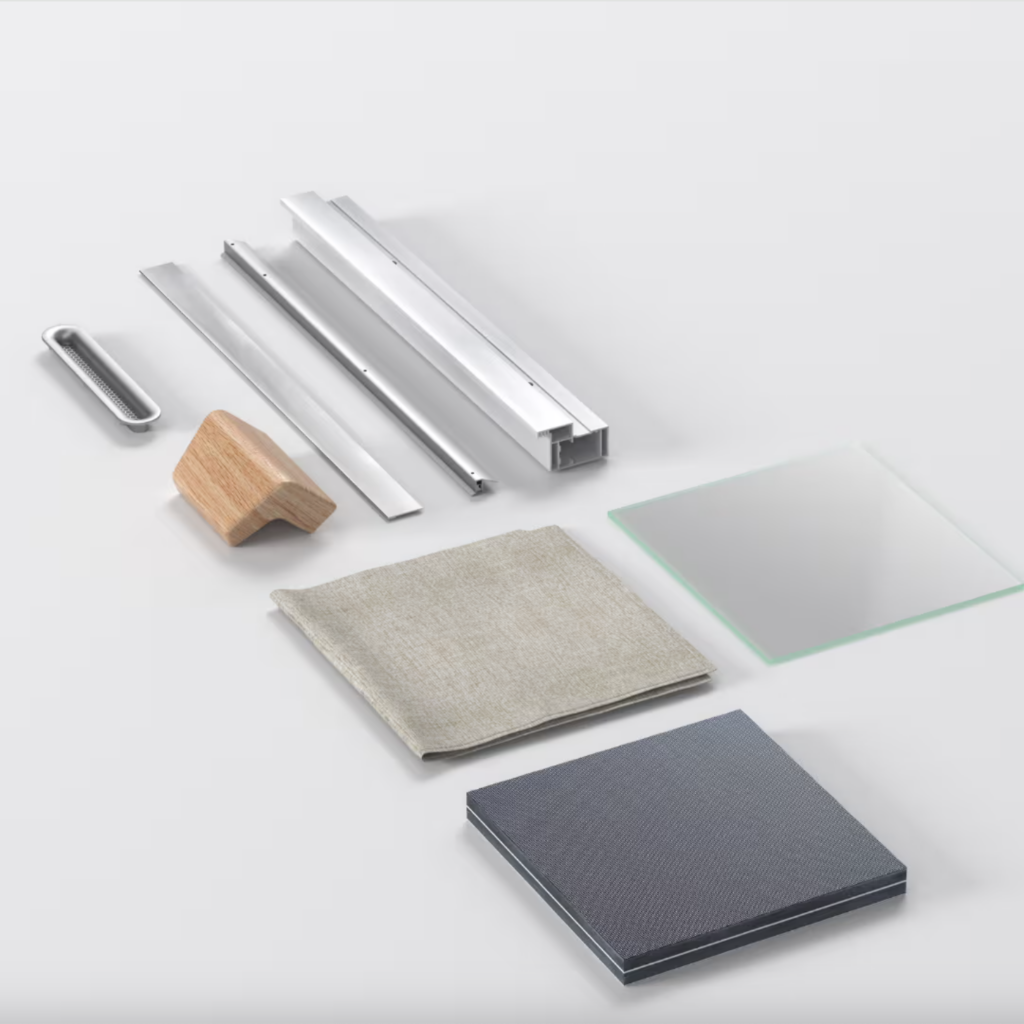
Lightweight carbon polymer panels
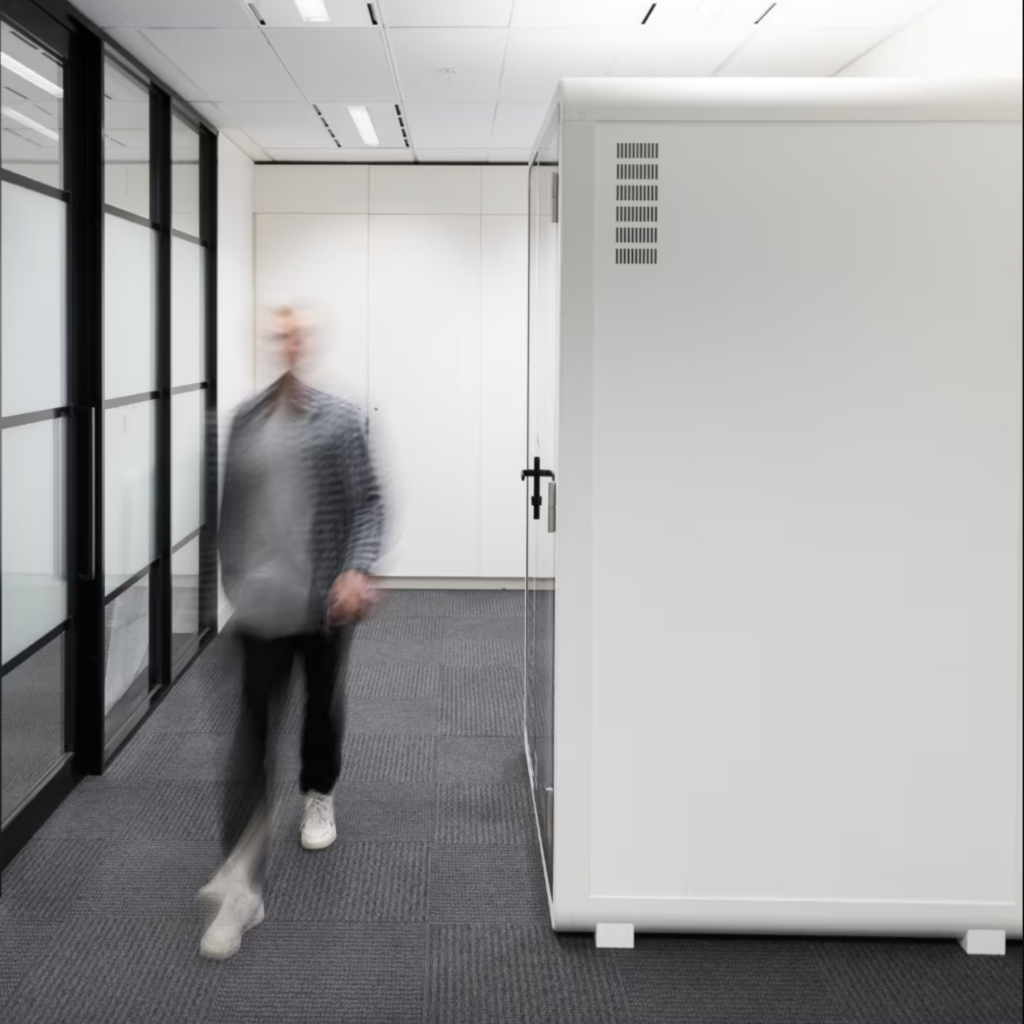
Less weight means less fuel to ship and fewer people to install.
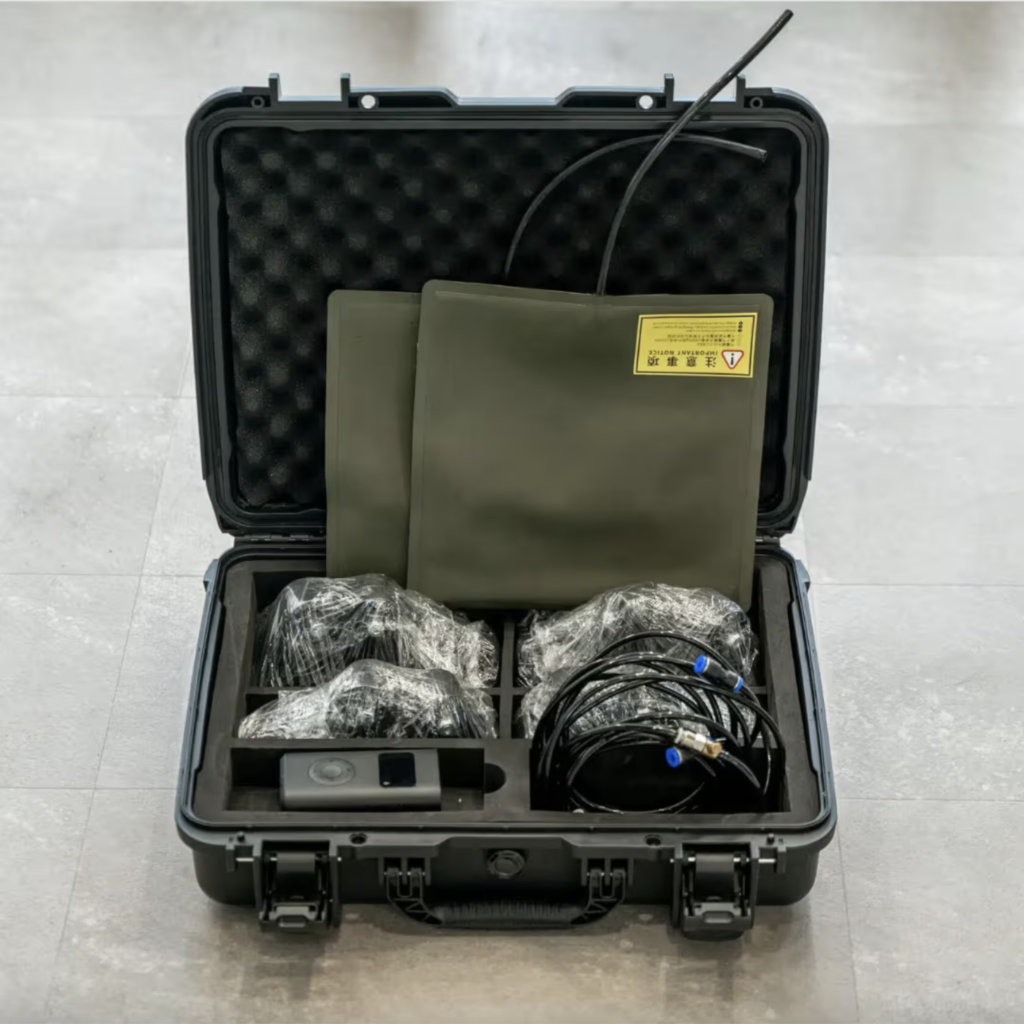
Modular construction
Individual parts can be replaced rather than the whole booth, which keeps waste down and lifespan up.
Reusable meeting space
Move offices and the booth moves with you. It can be taken apart and re-assembled in any tenancy.
A booth instead of a build
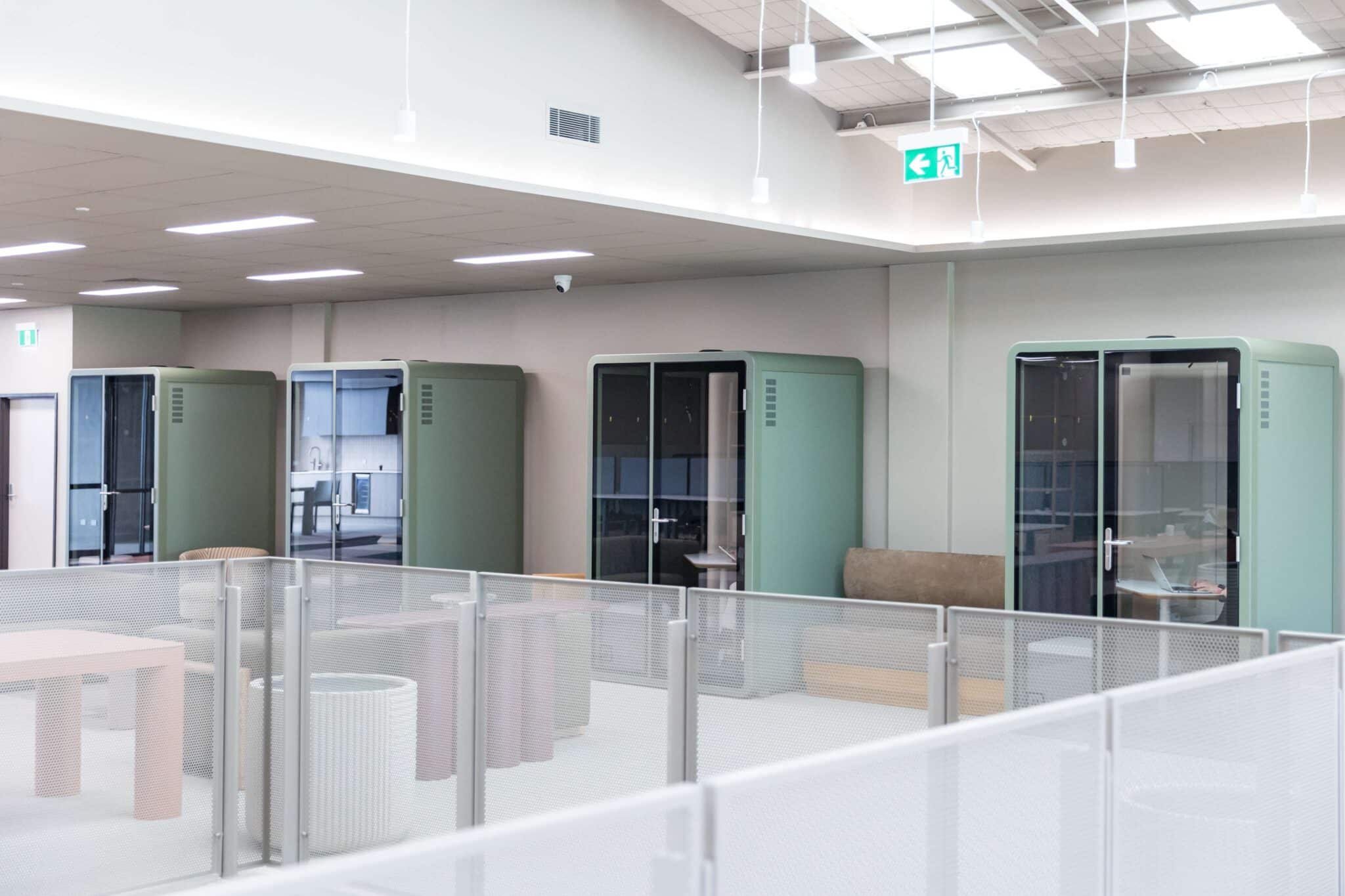
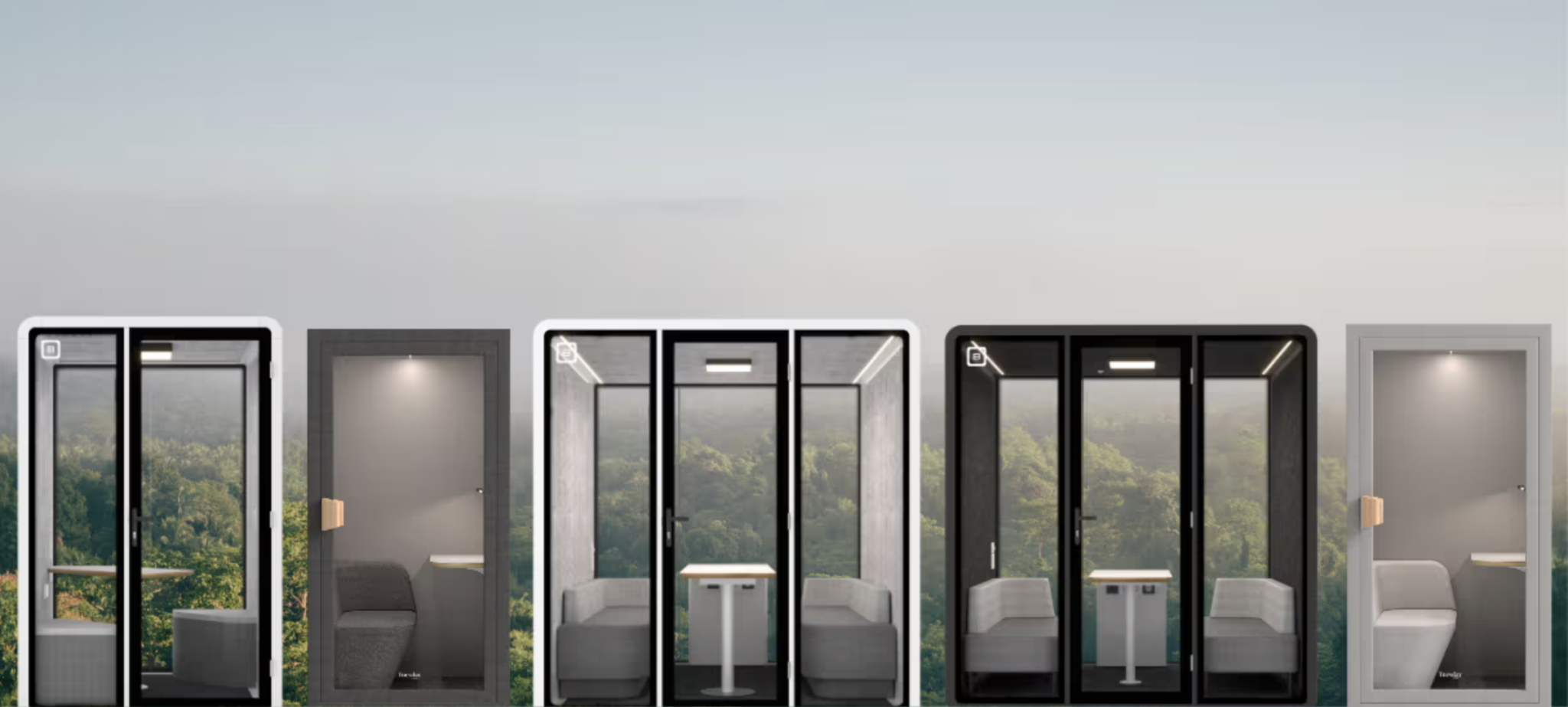
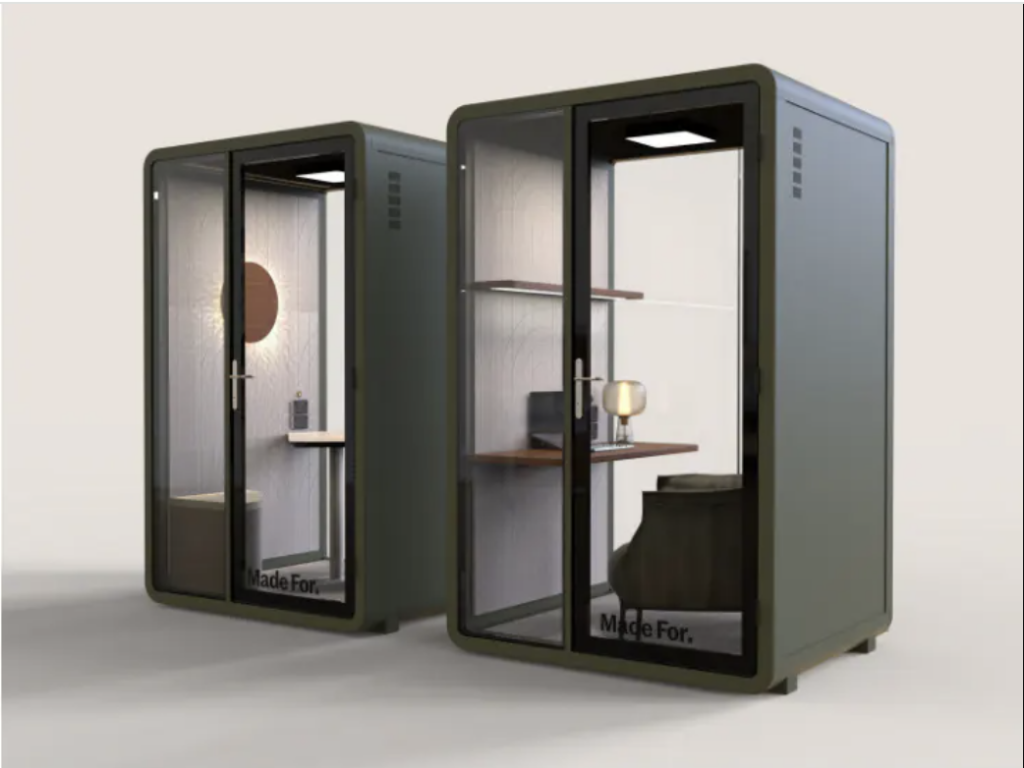
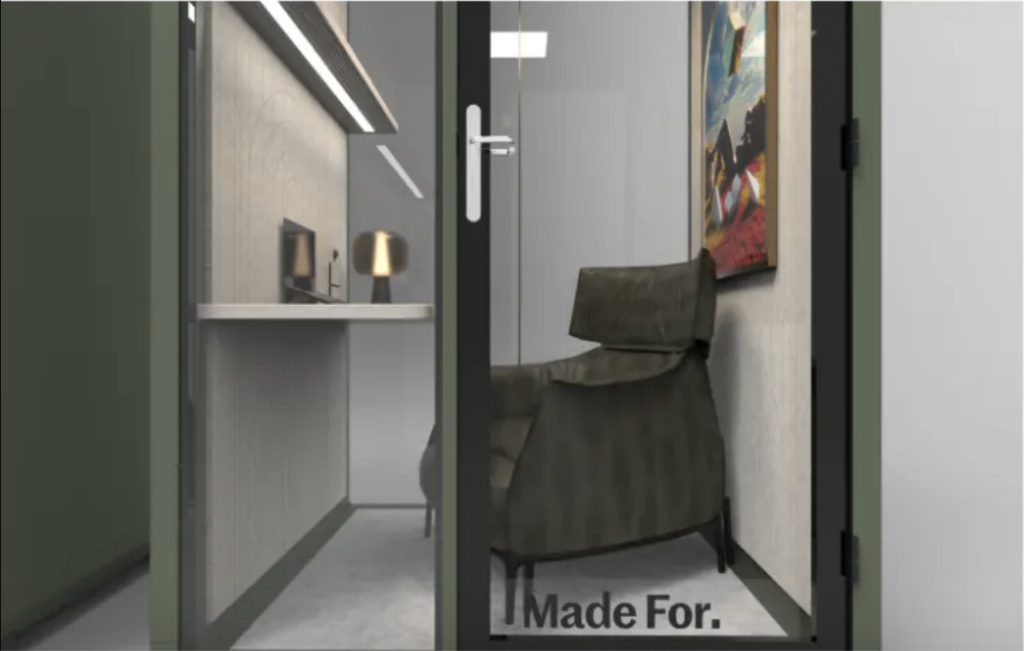
Bureau booths are a greener way to add rooms to a space. They deliver on function and style while being designed for modularity and longevity, so less is wasted and each booth lasts longer.
Booths are built from eco-friendly materials and processes, from recycled steel frames to sustainably sourced wood panels, with every component chosen for its environmental footprint. If you move, the booth moves too: it can be uninstalled and reinstalled at a new location.
Our end-of-life programme keeps booths out of landfill. When a booth reaches the end of its working life we refurbish, repurpose or recycle it, extending the life of the materials and shrinking the overall impact.
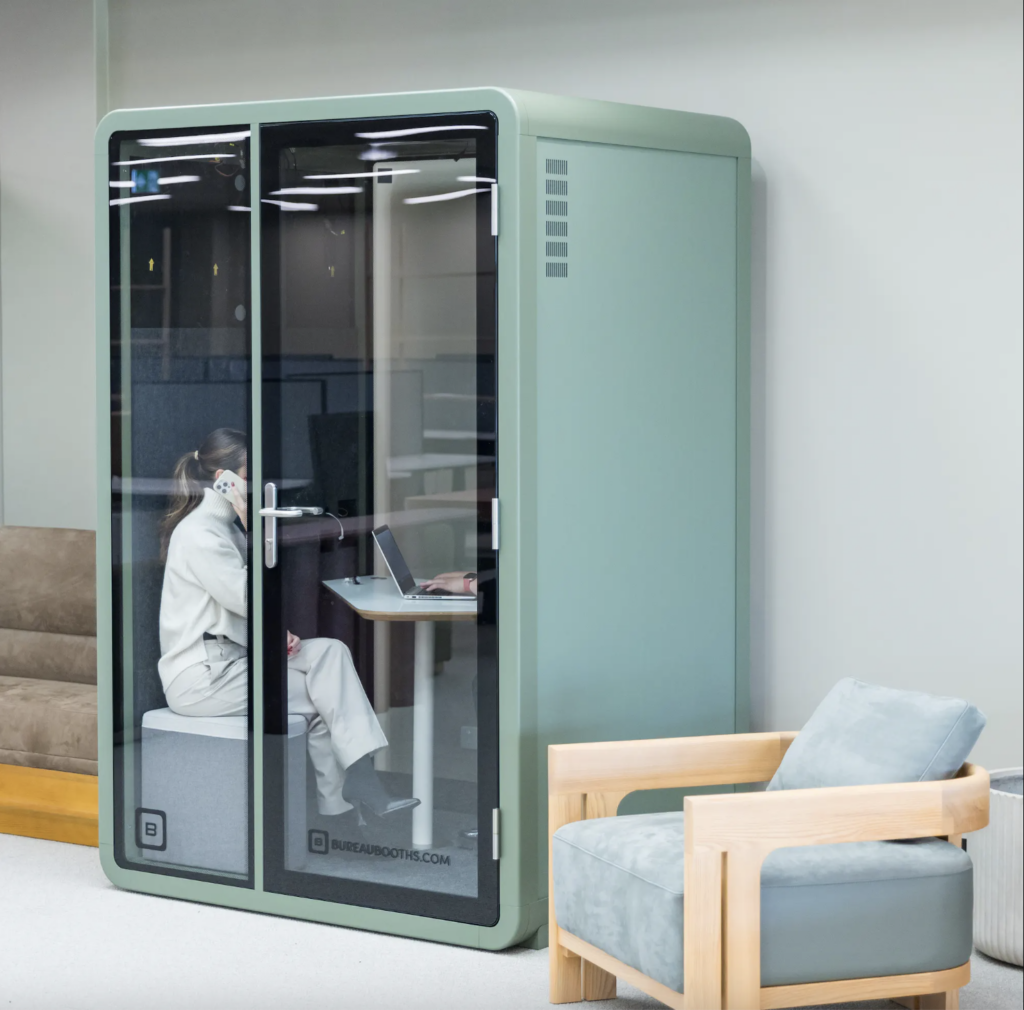
Construction versus a Bureau booth
A clearer picture of where the impact sits, and where a booth does things differently.
Emissions
Traditional internal construction is a major source of CO₂, with concrete production alone accounting for about 8% of global emissions. Bureau booths cut emissions by using eco-friendly materials and processes from start to finish.
Landfill
Refitting and de-fitting spaces generates significant landfill waste because materials are rarely recycled. Australia's construction sector alone produces 27 million tonnes a year, 44% of the nation's waste. Our end-of-life programme refurbishes, repurposes or recycles every booth instead.
Resources
Construction consumes around a third of the world's natural resources, relying on finite materials like concrete and steel. Booths use sustainable materials and a modular design that minimises consumption and maximises longevity.
Rooms you can take with you
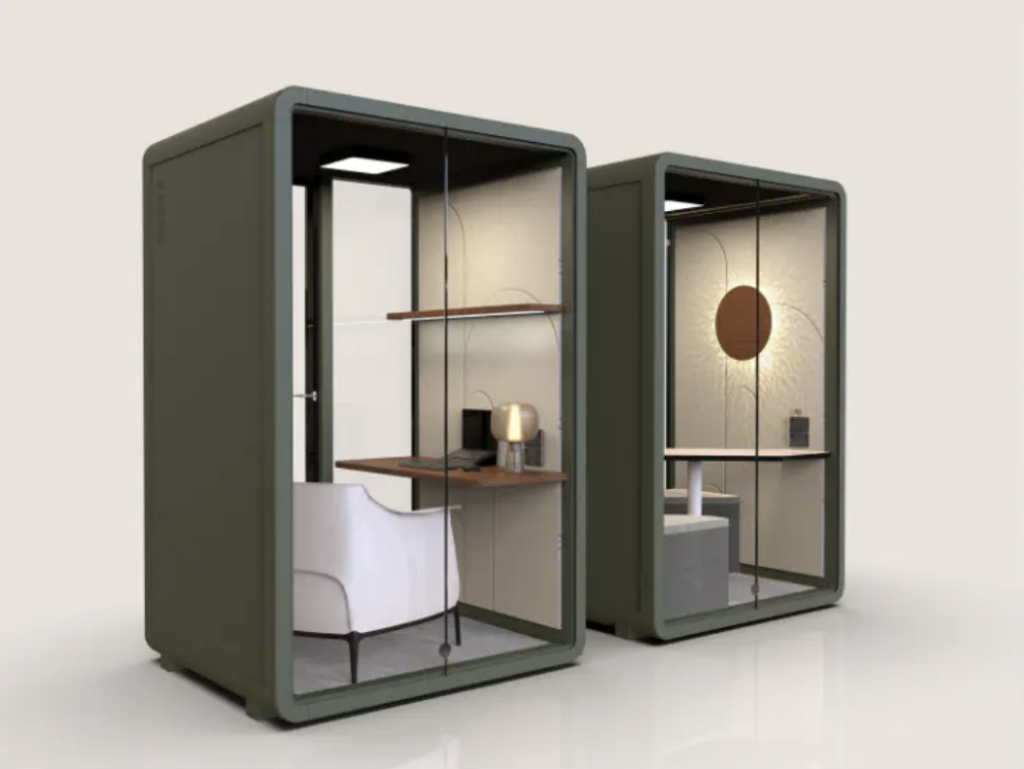
A greener, more sustainable world, one booth at a time
We believe in the power of education. By shedding light on the impact of internal construction and offering a real alternative, we want businesses and individuals to make informed decisions that match their values and contribute to a healthier planet.