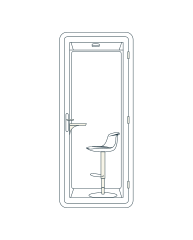
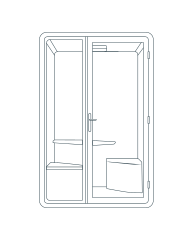
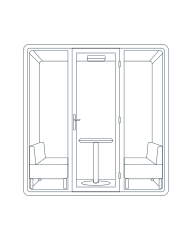
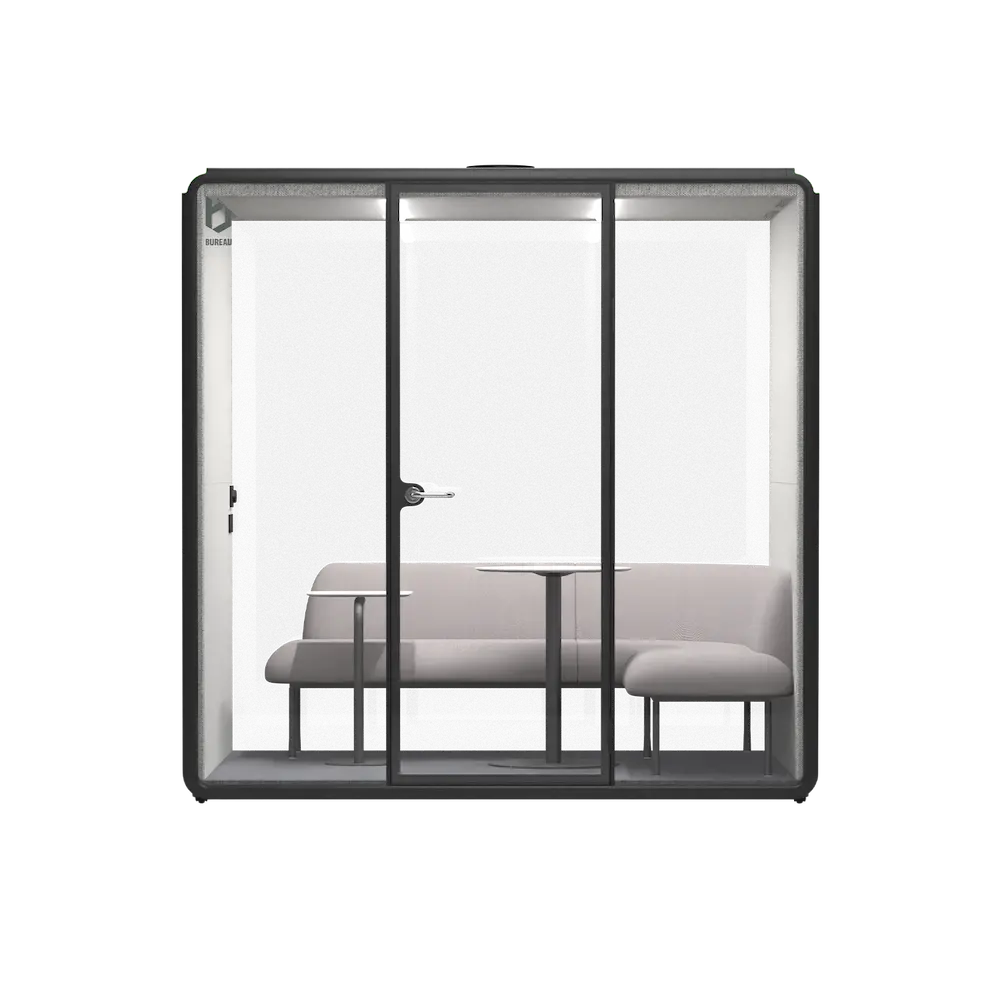
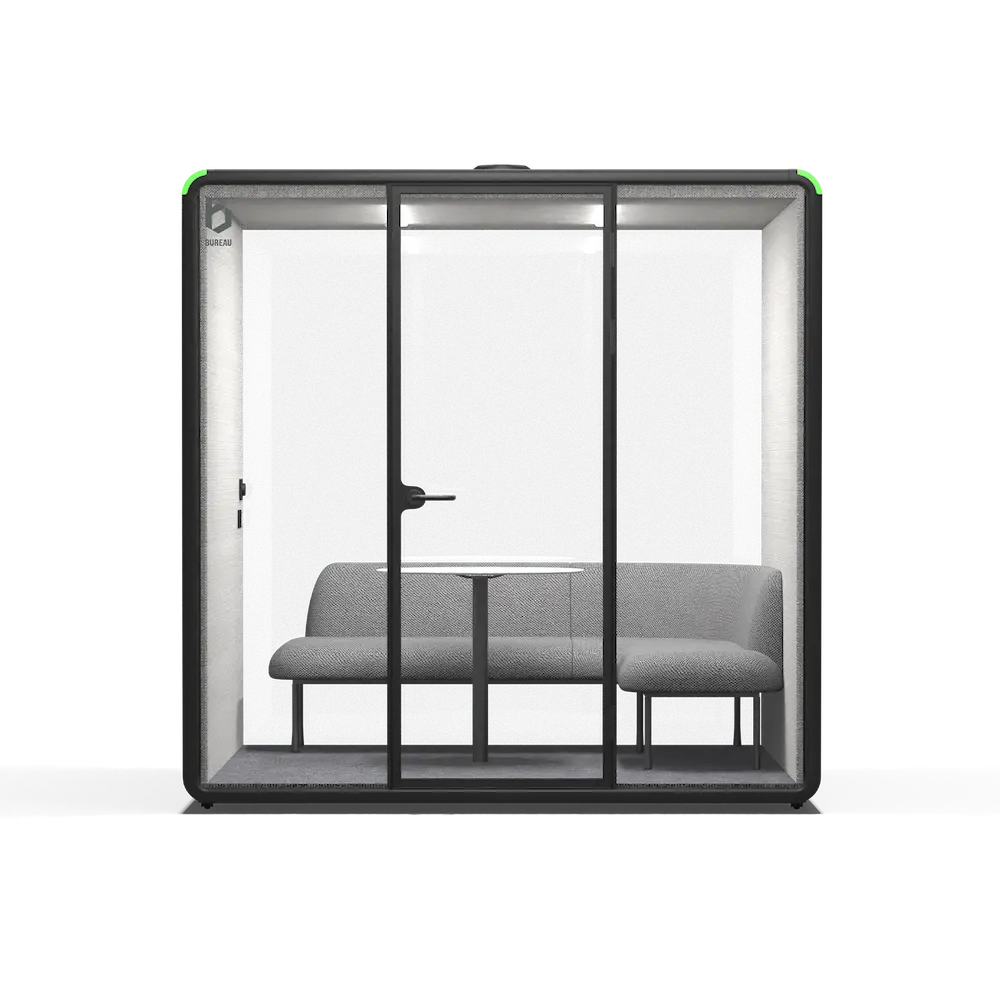
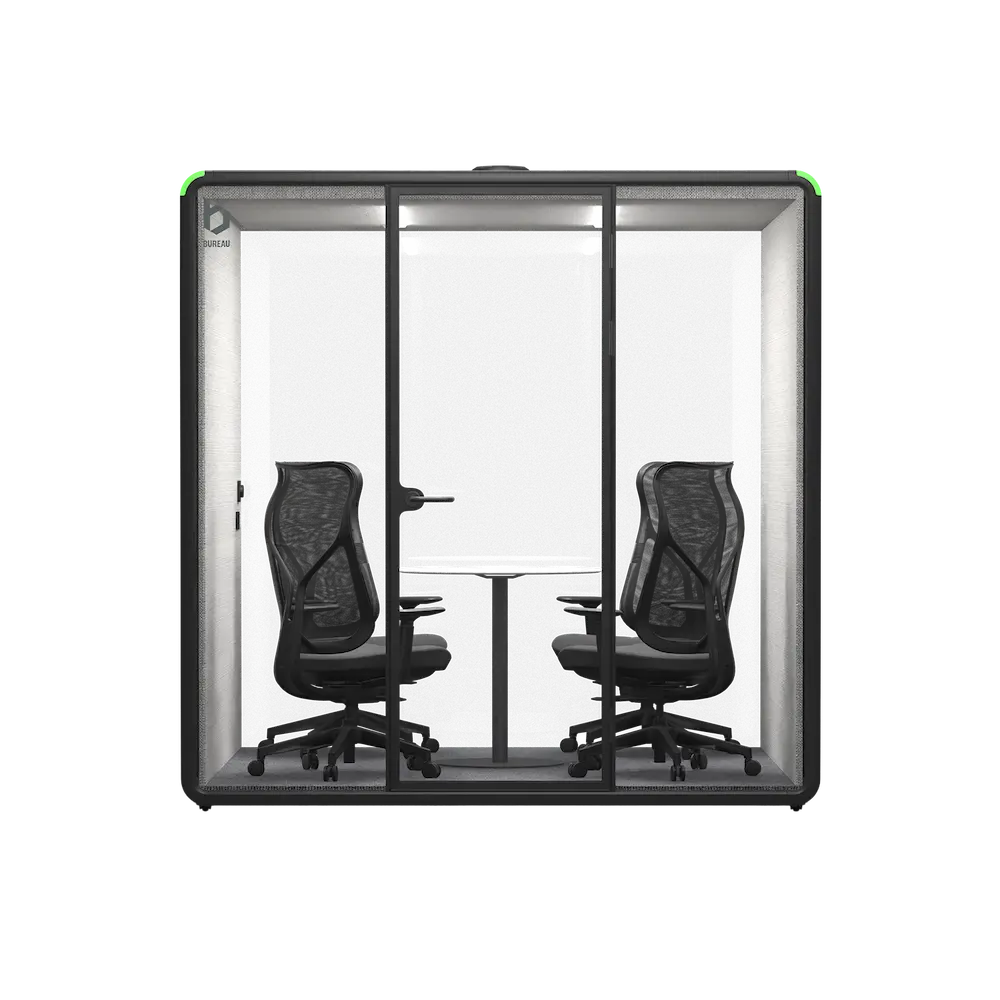
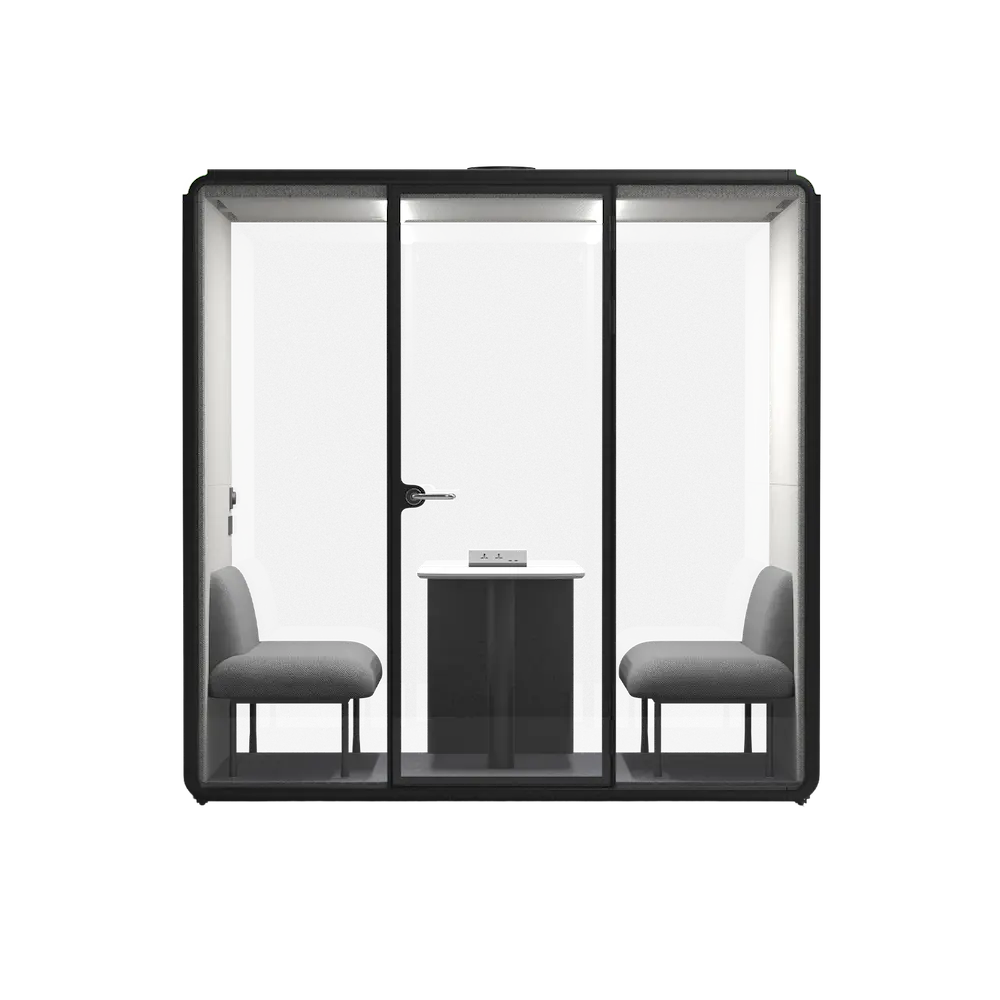
Noise flanking occurs when sound travels around a barrier through indirect paths such as gaps, ceilings, floors, or shared airways. Instead of passing through a wall, sound bypasses it, reducing overall acoustic performance. It is a common cause of reduced speech privacy in real-world environments.
Why Noise Flanking Impacts Acoustic Performance
Noise flanking is one of the most overlooked factors in acoustic design, yet it plays a major role in how sound behaves in real environments. Rather than passing directly through a wall or barrier, sound often finds alternative routes such as gaps, ceilings, floors, or shared air pathways. These indirect paths allow sound to bypass even high-performing materials, which can significantly reduce overall acoustic effectiveness.
This is why spaces that perform well in controlled testing conditions may fall short in practice. Even if a wall has a high rating, sound can still travel around it, weakening speech privacy and increasing distractions. In open-plan workplaces and shared environments, flanking paths are difficult to eliminate entirely. Airflow requirements, structural connections, and design constraints all introduce potential routes for sound to escape. As a result, effective acoustic design must consider not just direct sound transmission, but also how sound moves through surrounding elements. Managing noise flanking requires a holistic approach, balancing sound control, airflow, and usability to ensure that real-world performance aligns with expectations.
Related Terms
Featured Resources
-

A New Global Standard: Bureau is the First Soundproof Booth Company to Earn ‘Works with WELL’
The workplace industry just reached a turning point. Bureau is proud to announce that we are…
-

Unlock Peak Performance: How Smart Booth Sensors Optimize Your Workspace
Are Your Office Pods Working as Hard as You Are? In today’s dynamic work environment, modular…
-
Creating a Sensory Haven: How Bureau Supports Neurodiversity and Regulation in Childcare
About the Childcare Center Operating a bustling childcare center requires a delicate balance of high energy…